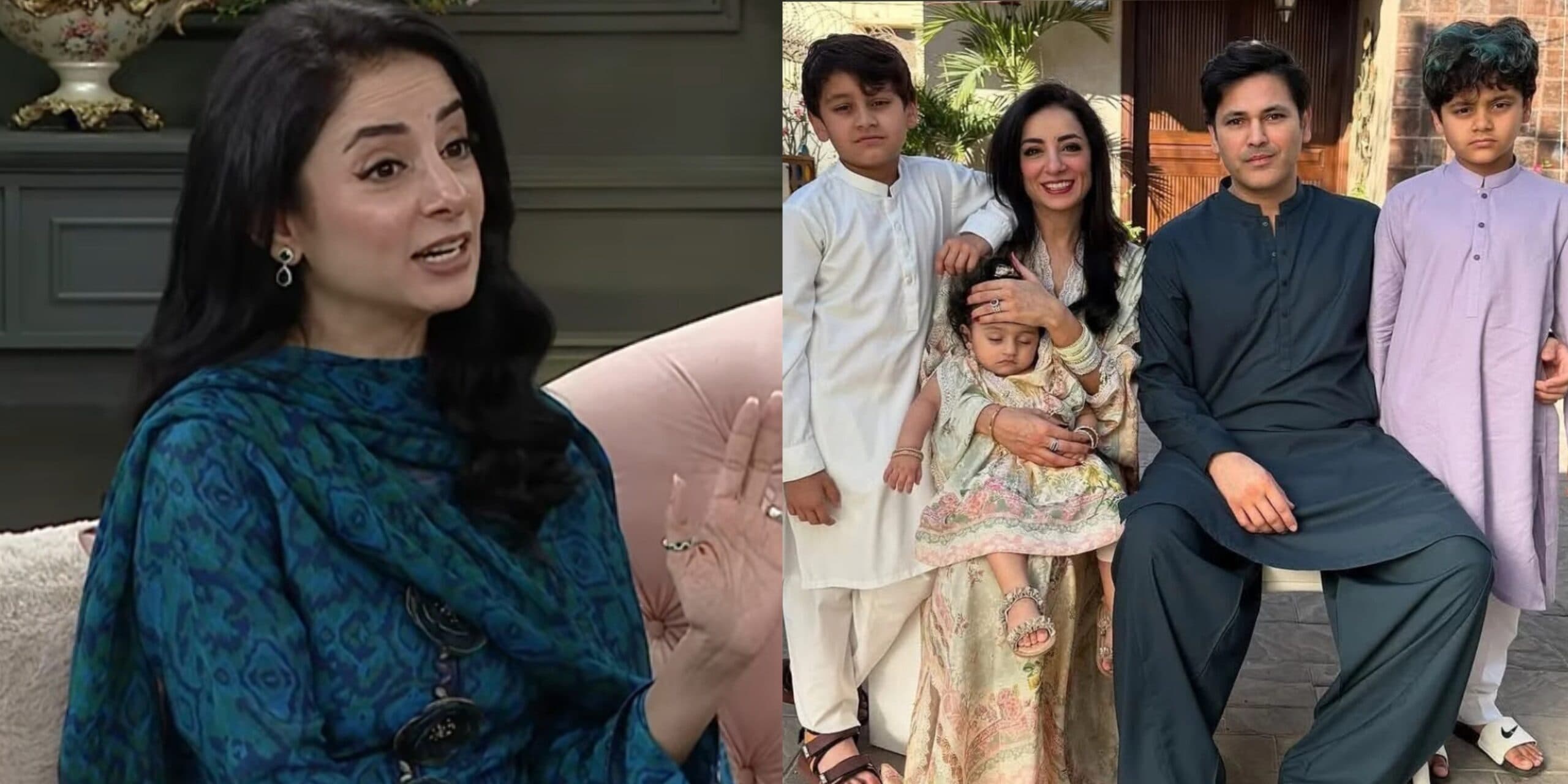
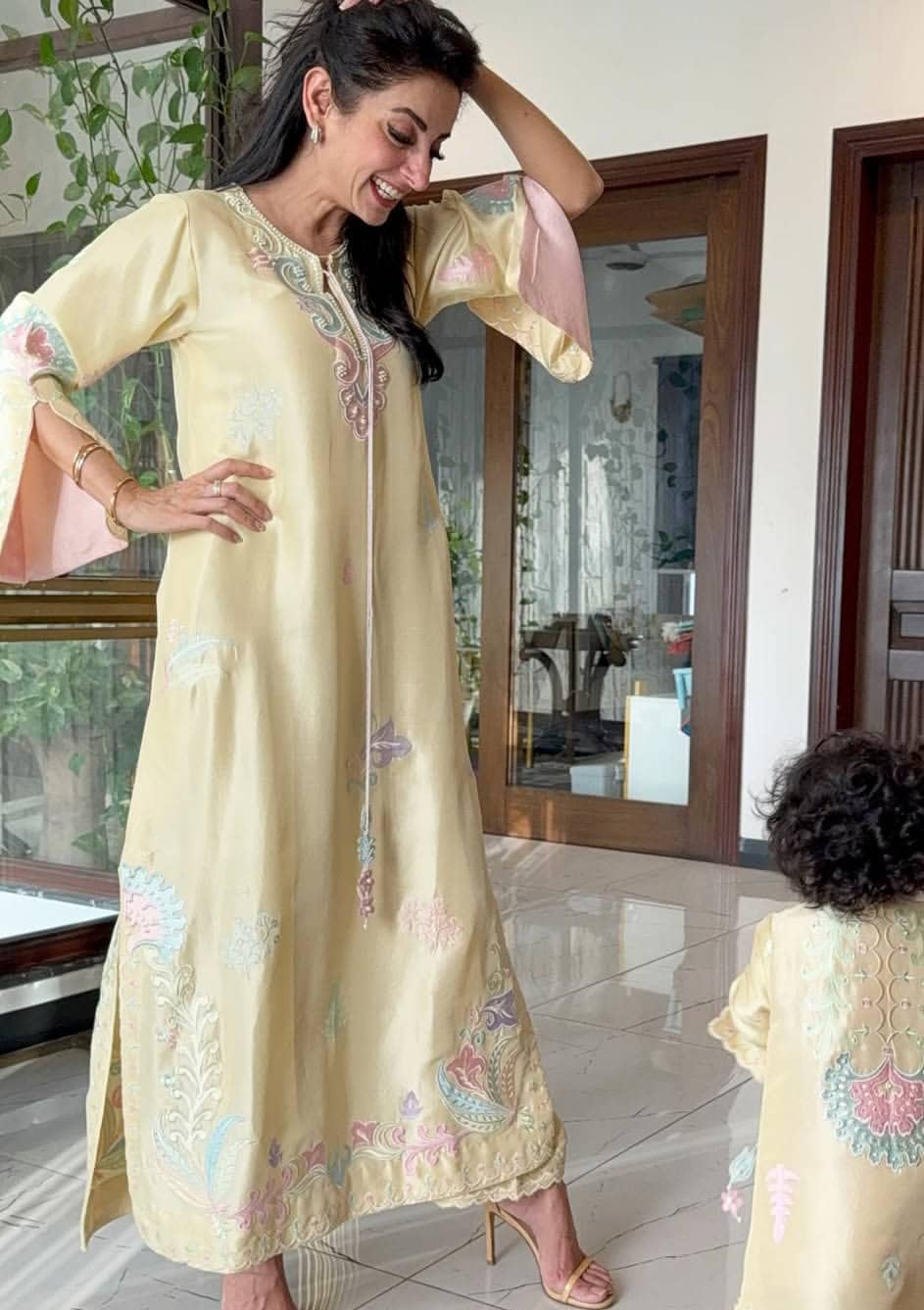
Sarwat Gilani is a versatile Pakistani TV and film actor known for her excellent choice of roles. She has starred in hit dramas like Azar Ki Ayegi Baraat, Mere Dard Ko Jo Zuban Miley, Meri Zaat Zarra-e-Benishan, Zakhm, Mata-e-Jaan Hai Tu, Mann Piyasa, Seeta Bagri, and Khasara. Sarwat is also known for her impactful performances in the hit Pakistani films Jawani Phir Nahi Aani 1 and 2. She was recently praised in ARY Digital’s drama series Biryani.
Recently, Sarwat Gilani appeared on Good Morning Pakistan, where she discussed parenting roles in detail.
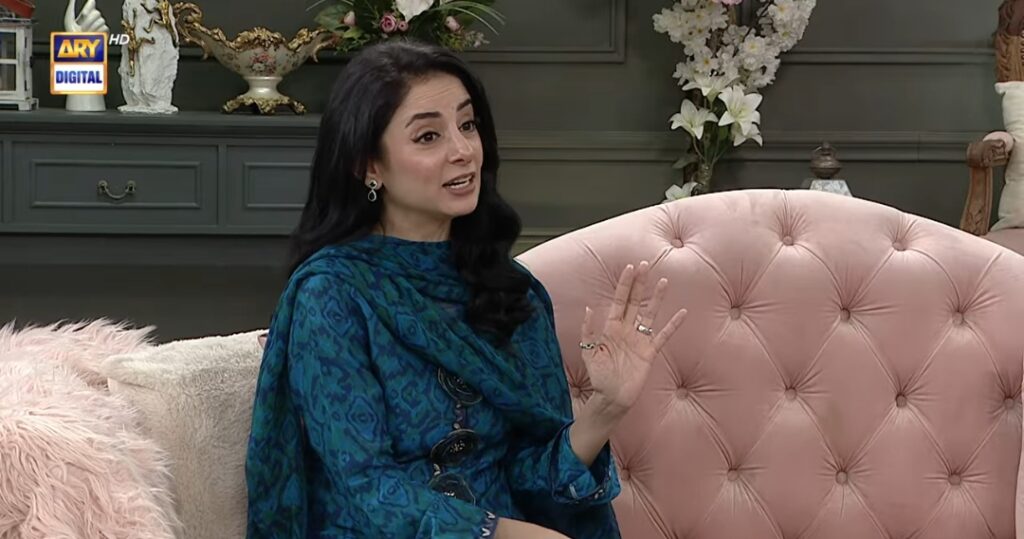
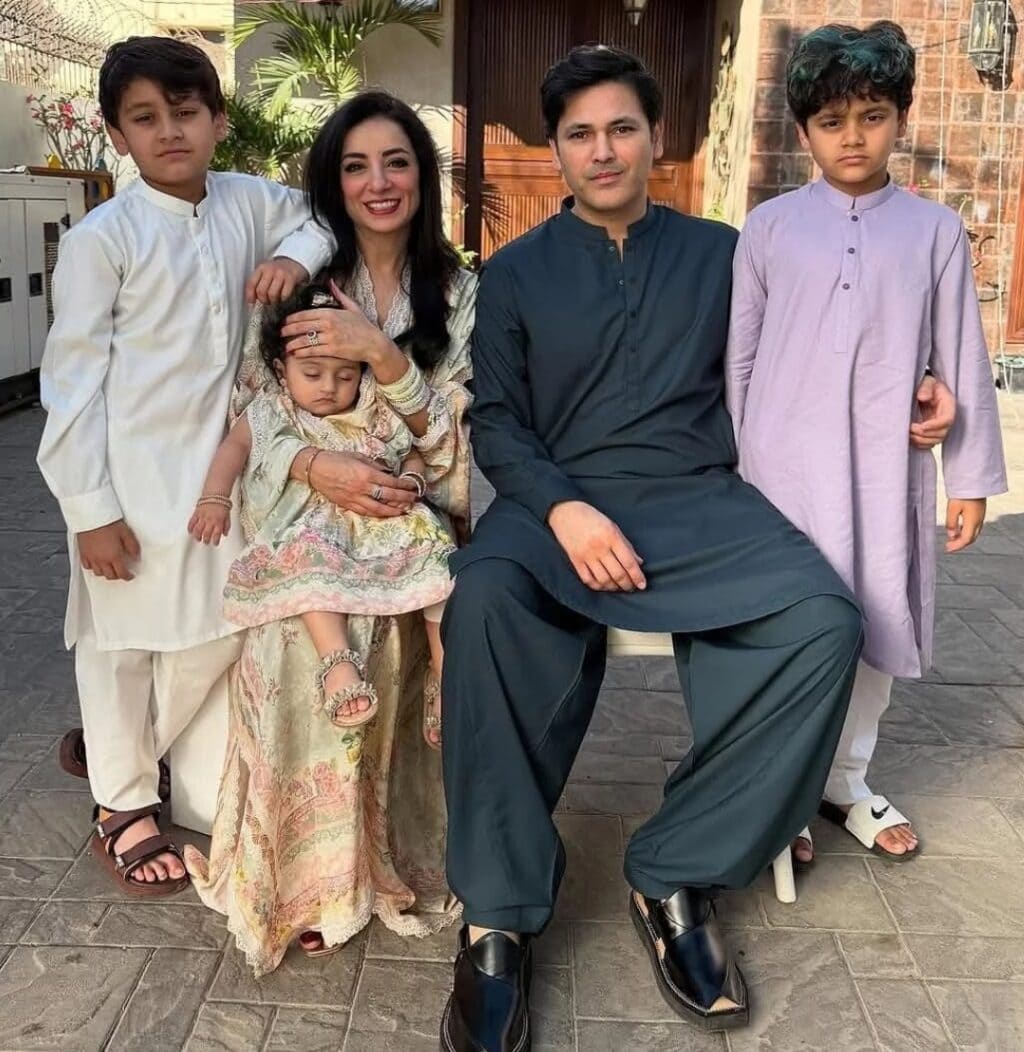
Talking about mothers showing anger toward their children, Sarwat Gilani said, “Most women become strict and show emotional outbursts because they are taking care of their child from morning. Such angry behaviour comes when a mother spends the entire day with her child, constantly asking them to study, eat, work hard, do homework, and get good grades, while the child keeps resisting. At the end of the day, the mother’s patience also runs out. This is often the time when the husband returns home, so what he sees is only her outburst, but he does not see what she has gone through the whole day. If parents reverse their roles, I am sure most men would give up within a few minutes. They cannot deal with children for a whole day. So first, appreciate your wives for their patience and hard work, and pamper them, embrace them, and encourage them in front of your children. Tell them you are super proud of her and her efforts in parenting.”
Talking about trauma-bonded fathers, Sarwat Gilani said it is important for both parents to be on the same page. A father’s parenting style often comes from his own upbringing. She said a father’s bond with his mother can influence his role as a parent. Fathers who are emotionally or physically absent from their children often come from families where their own fathers were absent during childhood, or where their parents had a strained relationship. In some cases, the mother may have spoken negatively about the father and made the son her emotional support system, turning him into her protector. Such sons tend to spend more time with their mothers, become overly protective, and may develop feelings of hostility or resentment toward their fathers which affect their role as father in the future.