Pakistani dramas are loved for their realistic storylines, sweet and palatable romance, and top-notch performances. Our shows have been exploring different storylines and themes lately. After a bout of stagnant content with saas-bahu and sister rivalries, unique stories are finally being explored, and fans love them. Nonetheless, the drama industry tends to rely on formulas, and we have recently witnessed a pattern that is neither welcomed nor enjoyable.
We have recently seen Pakistani dramas promoting teacher-student romances, and this track and storyline are receiving a lot of backlash. A teacher is considered a second parent in Islam. Thus, showcasing outright romance between a teacher and student is not considered appropriate. Yes, a student-teacher romance is neither against religion nor against the law if both parties are adults, but it is still looked down upon. Here is a list of some recent dramas where a teacher-student romance was normalised:
Main Manto Nahi Hoon

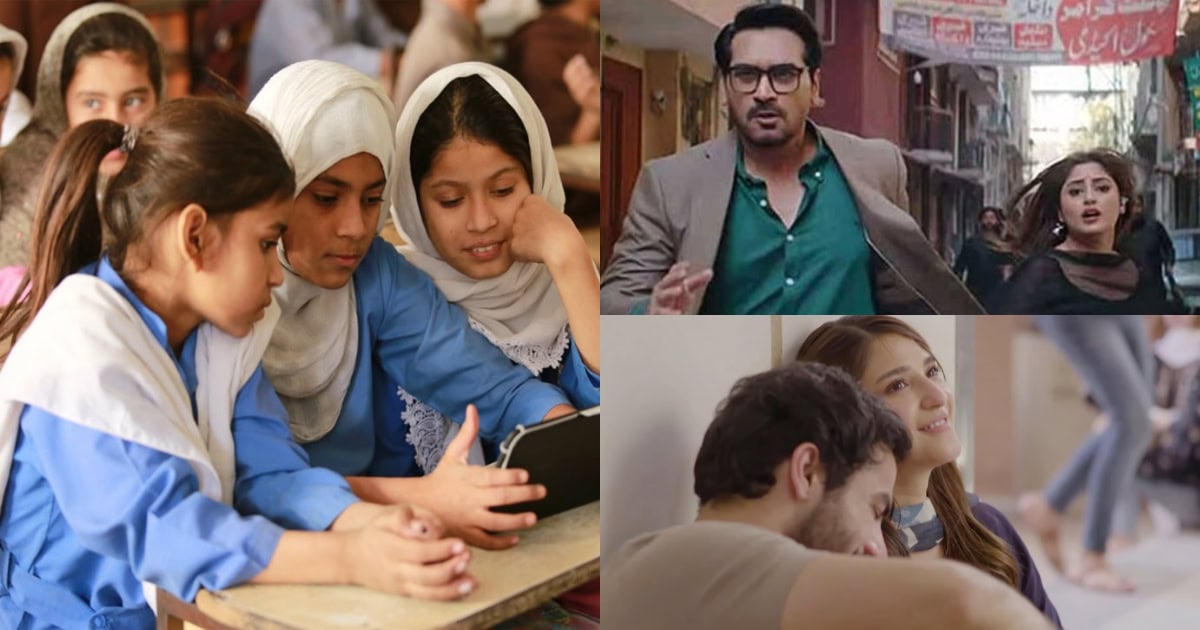
Main Manto Nahi Hoon is a Pakistani drama that was highly anticipated. With the biggest names of the industry in the cast list and the trio of Humayun Saeed, Khalil ur Rehman Qamar, and Nadeem Baig making a comeback, this drama was sure to hit big numbers on ratings. The show was doing great till the writer decided to start a whole teacher-student romance track. Manto and Mehmal are two souls with nothing in common, and their passion for each other is completely off-putting. Showing a student dying to be with her teacher, who is 22 years older than her, is insane. Additionally, Mehmal was a girl who fought her whole family to continue her studies, and now she only cares about loving her “Teacher”.
The student-teacher romance between the two characters feels tasteless and off-putting. None of the fans of the show want to see them together. This is a testament to how much people dislike this romance. This is what it looks like:
Zard Patton Ka Bunn
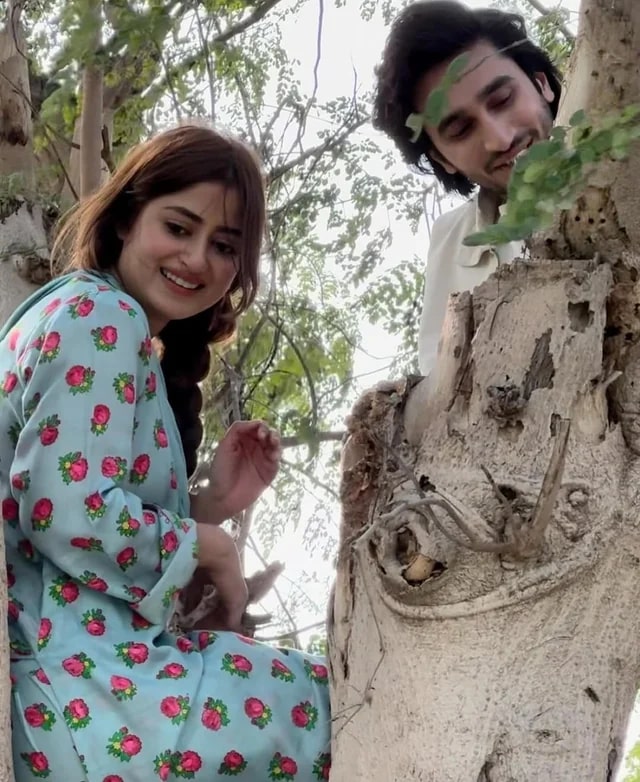
Zard Patton Ka Bunn is another recent Pakistani drama that showcases a student-teacher romance. This was a socially important show and highlighted many issues in the underbelly of our society. Meenu, played by Sajal Aly, was a strong and independent girl who never backed down. Her character was both inspirational and likable. The male lead, Dr Nofil, played by Hamza Sohail, was also a green flag whom fans loved. The plot, however, showed how Nofil becomes a teacher to Meenu, and then they fall in love. This was once again a case of student-teacher romance. Though both the leads were likable, it was still awkward. However, unlike Main Manto Nahi Hoon, this was not an outrageous romance with both leads ready to kill and die for each other. It was done subtly. The kind of romance we saw in this drama:
Biryani
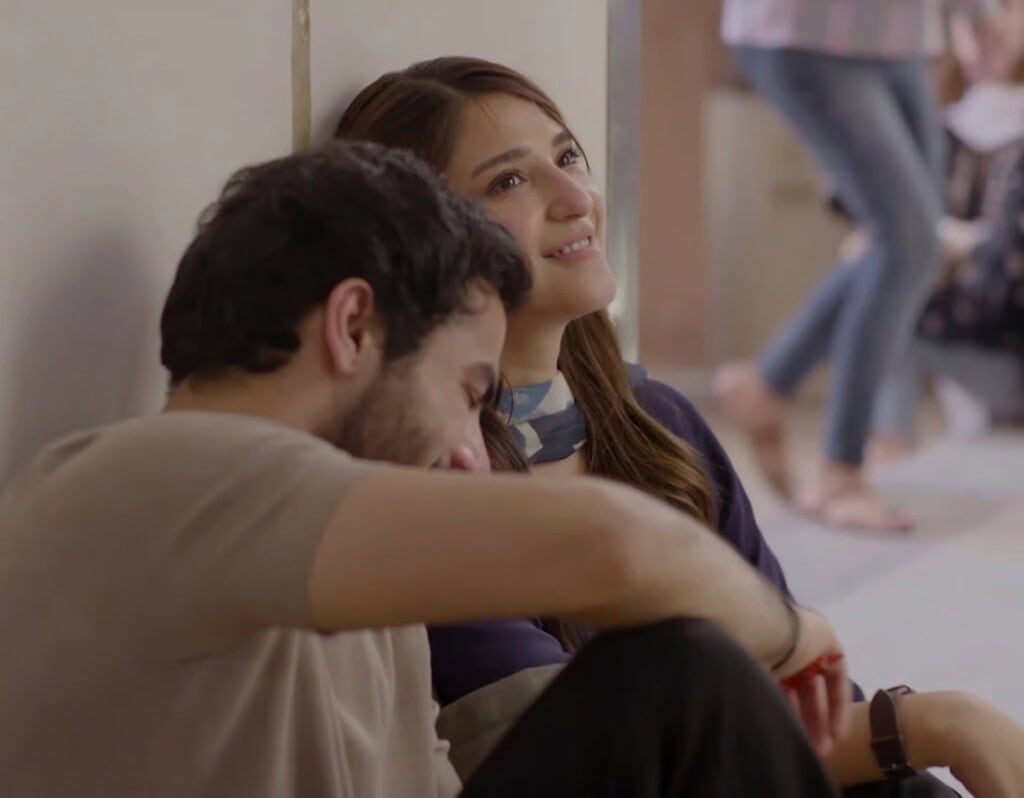
Biryani is the current on-air Pakistani drama on ARY Digital. Here we have another teacher-student romance. Nisa and Meeran both meet as Nisa is supposed to be his teacher. She was tutoring him, and slowly they fell in love with each other. The ages of both characters seem to be in a similar bracket, but we once again have a story with a student and a teacher falling in love.
Mann Mayal
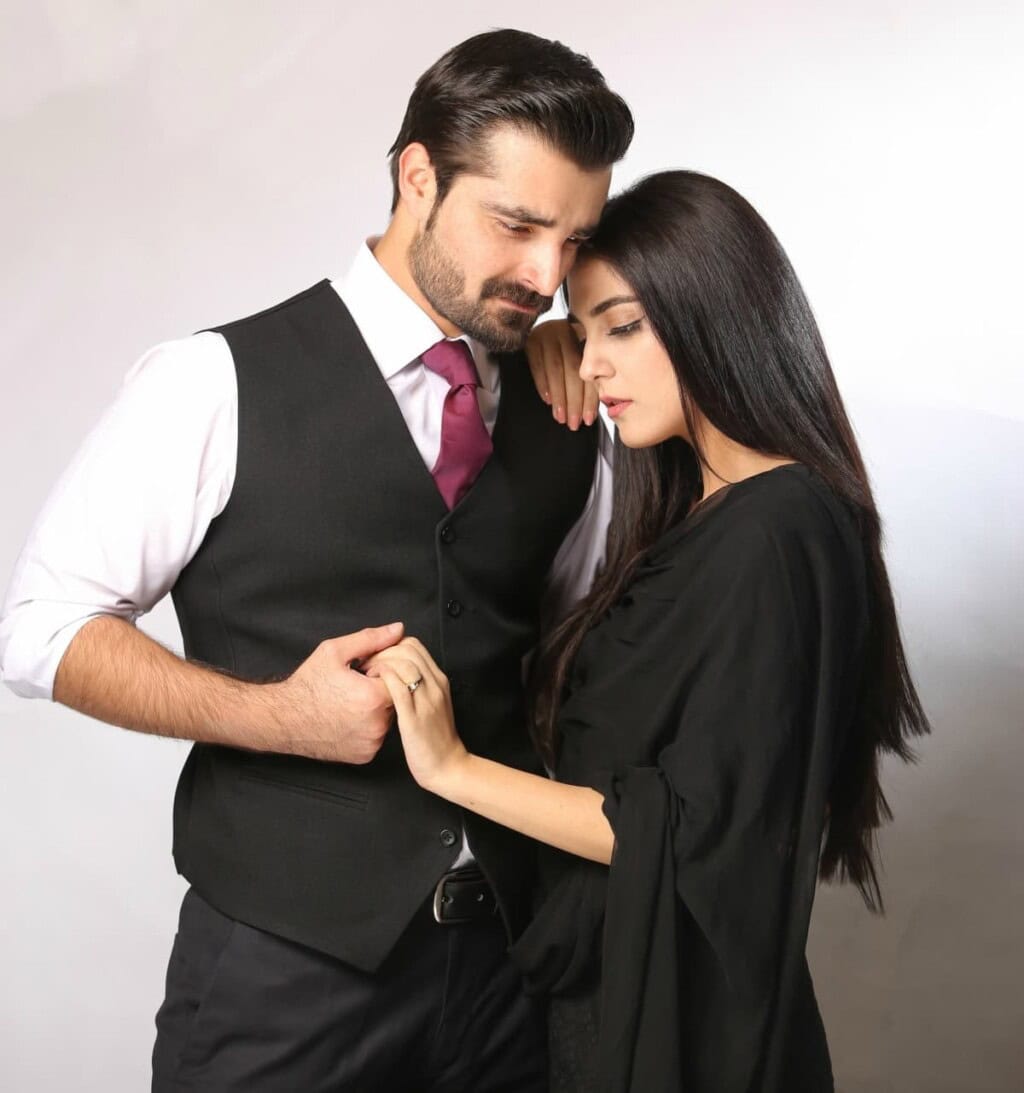
Mann Mayal is a classic Pakistani drama that revolves around a romance between a teacher and a student, which ultimately results in deeper tragedies. The show was well-received during its airing, and the character Manu became iconic for her determination, as she was often depicted running through the streets of her town to convince her teacher, Salahuddin, to marry her. Although Salahuddin loved her, he ultimately rejected her advances.
Mann Mast Malang
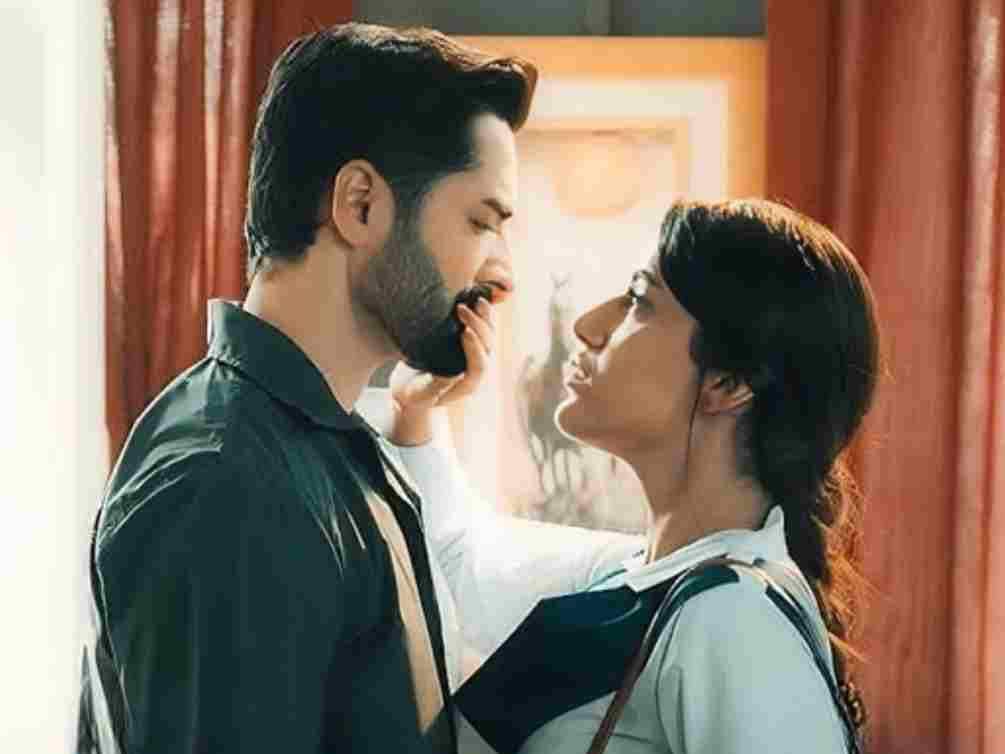
Mann Mast Malang was a highly controversial Pakistani drama. It garnered significant attention during its airing due to its mature themes and the romanticization of subtle violence. Starring Danish Taimoor as the lead male and Sahar Hashmi as the lead female, the drama achieved a staggering billion views, marking it as a massive success. Among its many problematic scenes, Mann Mast Malang featured a teacher-student romance, where the hero tutors the heroine as she struggles to pass her exams.
CLICK HERE FOR VIDEO
All these dramas have faced criticism on this theme. Does this have an impact on society as a whole? Let’s analyze:
Impact on Women’s Education
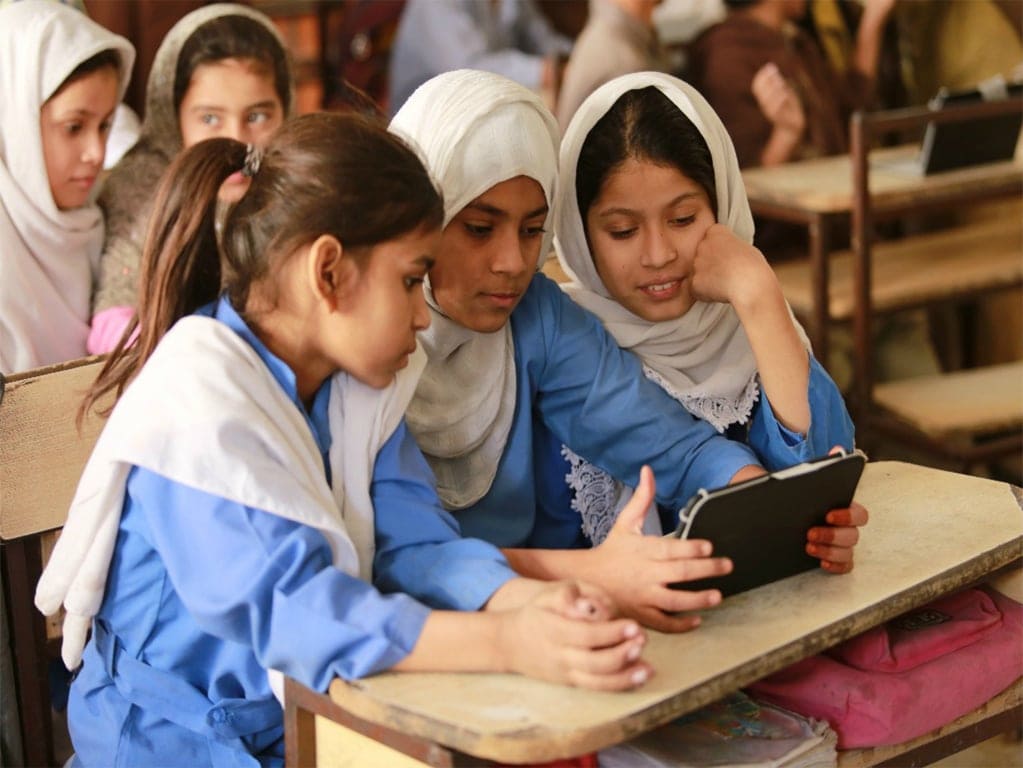
In the majority of rural areas of Pakistan, women still do not get equal opportunities as men. They are married off at a young age, and many, despite aspirations, cannot continue their education. Pakistani dramas showing that women, if given the opportunity, will start dating their teachers, is both insane and irresponsible
Many areas in Pakistan do not have universities, and students must travel to bigger cities for higher education. Once it becomes a concern for parents that their daughters will just start dating their teachers, many of these young girls will not be provided opportunities to go to bigger cities and live alone for their education. Thus, such Pakistani dramas are shutting out education opportunities for girls with such storylines.
Branding Women As Love Brains
In most of these stories showcasing student-teacher romance in these Pakistani dramas, we have women who fight for their right to education or carve an independent path for themselves. But then they get love brain and stop striving for their education, an aim they had in the start.
Propagating Love Over Ambition
In Pakistani dramas, men are typically depicted as businessmen driving luxury cars like Prados and managing large conglomerates, while women often lack ambition. Although a female character may start with aspirations, the plot usually evolves into a story centered on her journey to find true love. By portraying these student-teacher romances, the underlying message suggests that women cannot truly pursue their ambitions and will ultimately prioritize love instead.
In conclusion, a man and a woman who are both adults can indeed fall in love, and they should have the freedom to pursue that love. However, portraying a respectful bond between a teacher and student evolving into passionate love is irresponsible. This is particularly concerning in a country where women’s education is still not deemed as important, and they do not receive as many opportunities as their male counterparts.